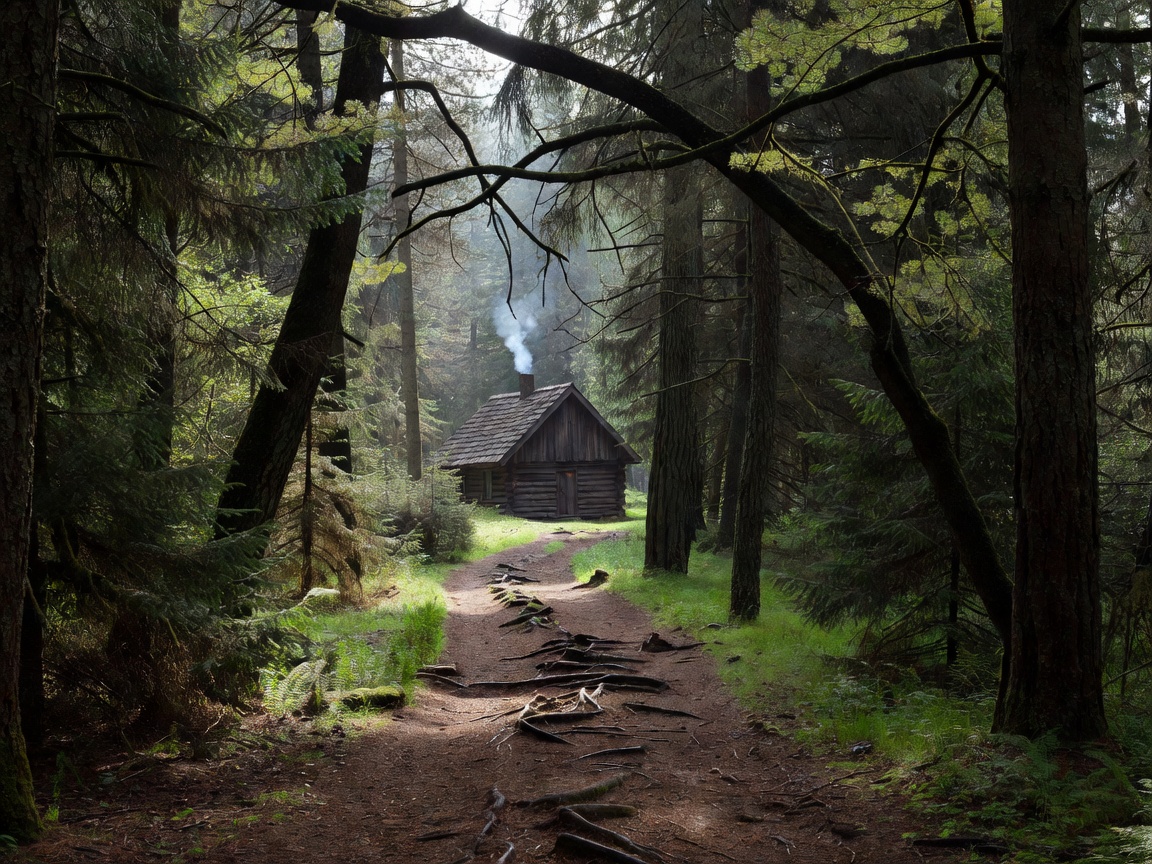
Choose the location for the whole route
Start with the region, then inspect the final approach. A road distance does not describe a walking distance, steep track or seasonal barrier. Confirm the route with the accommodation provider and official local sources. Ask whether a normal car is suitable, whether parking is separate and whether the final section is shared, private or pedestrian.
Build an arrival plan
Download directions before leaving reliable coverage. Save the address, coordinates supplied by the provider, check-in instructions and an emergency contact. If arrival is after dark, ask whether lighting is provided and whether the route can be followed safely. Never improvise access across private land or ignore local restrictions.
Food, water and heating
Check what can be purchased nearby and when local shops operate. Pack meals and snacks appropriate to the route, but do not assume that every private water supply is drinkable. Follow the provider’s instructions for treatment and storage. Confirm fuel, firewood and heating procedures before departure, particularly outside summer.
Weather and communications
Check a current forecast close to departure and expect conditions to differ between a settlement, forest floor and exposed ridge. Keep warm layers, waterproof footwear, lighting and a charged phone available. Forest cover can reduce signal. Tell a trusted person the broad itinerary and expected return time without treating that step as a substitute for local emergency guidance.
Emergency planning
Know the local emergency number and the nearest practical service before travel. Follow provider instructions, marked routes and official warnings. Do not attempt technical rescues, unsafe crossings or improvised medical procedures. If weather or access is unsuitable, delay the journey and contact the relevant provider.
Pack by system
- Navigation: downloaded maps, written directions and a charged phone.
- Clothing: layers, waterproof outerwear, sturdy footwear and spare dry items.
- Cabin: food, personal medication, toiletries, headlamp and charging cable.
- Route: water, snacks and an honest assessment of vehicle and walking ability.
- Arrival: booking details, check-in contact and property-specific instructions.
Use this sequence for any remote stay, from a lakeside weekend to a winter forest base.
General guidance cannot replace current provider instructions, local safety notices or professional advice.